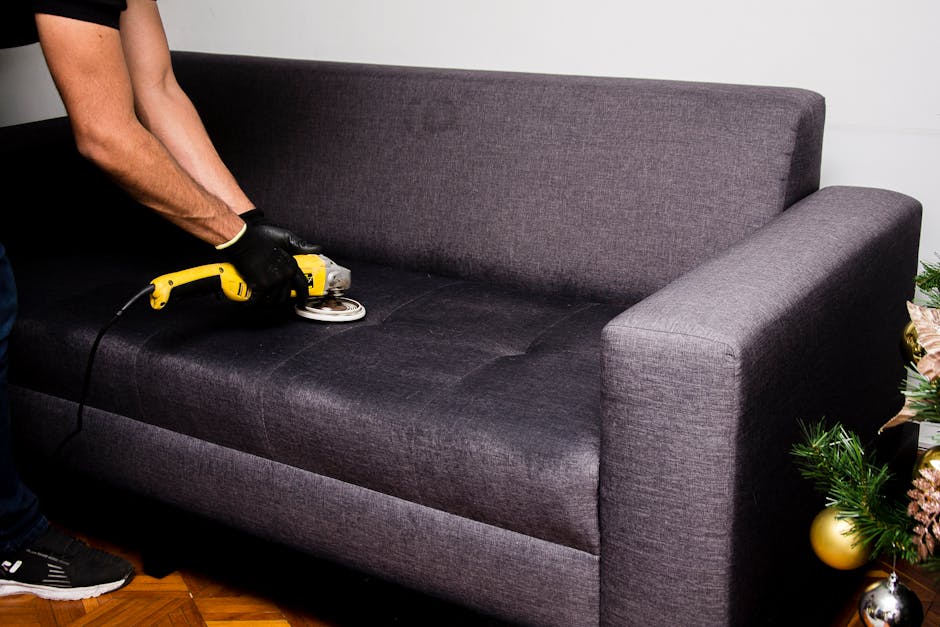
Roe Green Estate sofa cleaning and stain removal guide
If your sofa has picked up a tea ring, muddy footprint, pet accident, or the sort of greasy mark that seems to appear out of nowhere, you are not alone. Sofas take the brunt of everyday life, and on Roe Green Estate that usually means family traffic, takeaway nights, school bags dumped on the armrest, and the occasional "how did that get there?" stain. This Roe Green Estate sofa cleaning and stain removal guide is here to help you tackle those problems calmly, safely, and with a bit more confidence.
Whether your upholstery is fabric, microfibre, velvet, or leather, the right approach makes a big difference. Go too hard with water or the wrong product and you can spread the stain, leave a tide mark, or damage the fibres. Do it properly and you can often lift marks early, refresh the whole sofa, and stretch the time between professional cleans. Let's get into the practical stuff.
Why Roe Green Estate sofa cleaning and stain removal guide Matters
Sofa care is not just about keeping the lounge looking nice. On Roe Green Estate, where homes often have busy schedules and shared living spaces, upholstery gets used hard. Oils from skin, dust, crumbs, pet hair, and spills all build up gradually. You might not notice at first, then one afternoon the light hits the arm and suddenly the fabric looks tired. Bit annoying, really.
Stains also behave differently depending on the fabric and how quickly you act. A fresh coffee splash is often manageable. A dried-in red wine mark is a different story. The same applies to sauces, ink, makeup, sweat marks, and pet stains. Each type needs a slightly different method, and the wrong response can make the stain settle deeper.
This matters for hygiene as well as appearance. Sofas can hold odours, allergens, and everyday grime, especially in homes with pets or children. For that reason, regular upholstery cleaning is not just cosmetic; it supports a fresher living space and helps protect the furniture you have already paid for. If you are comparing options, the broader approach on upholstery cleaning is worth understanding too, because sofa cleaning is really a specialist branch of it.
And there is a cost angle. A well-kept sofa usually lasts longer. If you catch a stain early, you may avoid permanent marking, fading, or fibre distortion. In our experience, that is where a little know-how saves a lot of stress.
How Roe Green Estate sofa cleaning and stain removal guide Works
The basic idea is simple: identify the fabric, identify the stain, then choose the least aggressive method that can still do the job. That sounds straightforward, but the details matter. A water-safe cotton blend will respond very differently to a wool mix or a delicate velvet finish. Leather is its own world entirely. Honestly, sofas can be fussy.
Most effective sofa cleaning follows the same broad sequence:
- Check the care label and test any product in a hidden area.
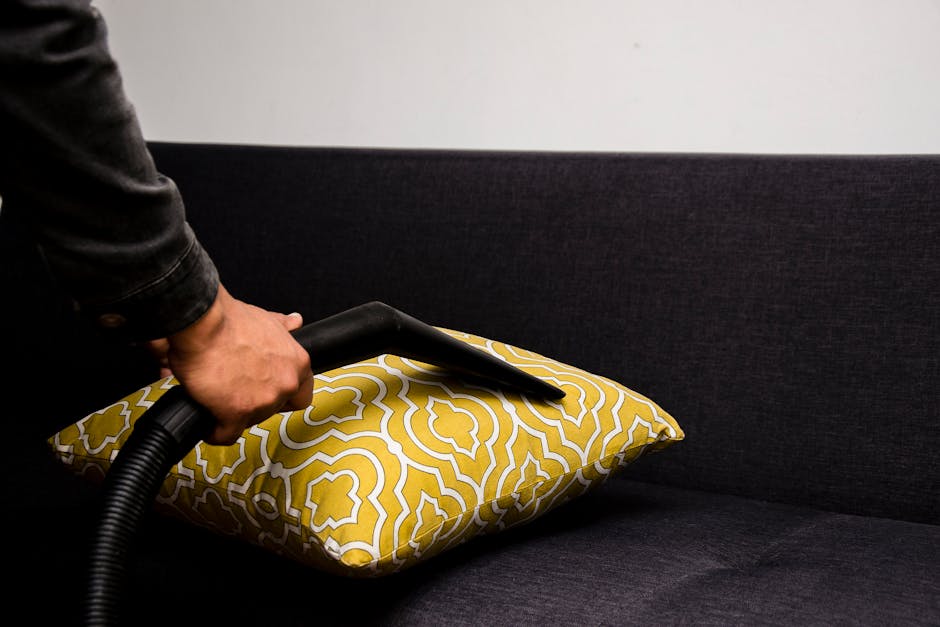
- Vacuum thoroughly to remove grit, crumbs, and loose debris.
- Treat the stain type with the correct method rather than just soaking the area.
- Blot, do not scrub so the fibres stay intact.
- Rinse or neutralise lightly if the method calls for it.
- Dry properly with air circulation and time.
That final step gets overlooked far too often. A sofa that is left damp can develop smells, water marks, or even encourage mould in the padding underneath. You want clean, yes, but you also want dry. Very dry.
Professional methods generally build on the same logic, only with better tools. For example, sofa cleaning often uses fabric-specific solutions, extraction equipment, and controlled moisture levels. That gives a more even result than trying to improvise with a bottle from under the sink.
Key Benefits and Practical Advantages
A good sofa cleaning routine gives you more than a nicer-looking room. The benefits are practical and, to be fair, they show up quickly once you get the hang of things.
- Cleaner appearance: Colours look fresher and the fabric stops looking flat or dull.
- Better smell: Lingering food, pet, and body odours are reduced.
- Longer fabric life: Dirt particles act like tiny abrasives, so removing them helps preserve the fibres.
- Less risk of permanent staining: Fast action on spills usually gives you more options.
- Improved comfort: Softer, less gritty upholstery just feels nicer to sit on.
- Better home presentation: Particularly useful if you host guests, work from home, or manage rental property turnover.
There is also a reassurance factor. Once you understand what to do when a spill happens, panic drops right away. You know whether to blot, wait, rinse, or stop and call for help. That calm response alone can save a lot of damage.
If stains keep coming back in the same household, it can also be worth looking at the cause. Pet traffic, repeated armrest use, or an old stain that was never fully removed may need a more complete approach such as stain removal rather than repeated spot cleaning.
Who This Is For and When It Makes Sense
This guide is useful for anyone with a sofa that actually gets used. That includes families, renters, landlords, homeowners, and small office or communal-space managers. If a sofa sits in a front room on Roe Green Estate and people use it daily, it will need attention eventually. No way around that.
It is especially useful if:
- you have recently spilled something on the sofa and want to act quickly;
- your furniture is looking tired but not yet ready for replacement;
- you are preparing a property for guests, sale, or new tenants;
- you have pets, children, or heavy everyday use;
- you want to avoid using harsh products without knowing the fabric type;
- you are comparing DIY cleaning with professional upholstery care.
It also makes sense if you have already tried a few home fixes and the stain is still hanging around. That happens more often than people admit. A lot of stains lighten on the first attempt, then become more visible after a second wrong attempt. The sooner you stop guessing, the better.
If the issue is broader than one sofa, you may also want to think about the rest of the home. Curtains, rugs, carpets, and mattresses all pick up the same kind of dust and accidental spill patterns, and a joined-up clean can be more efficient. The service pages for carpet cleaning and curtain cleaning can help you plan that bigger refresh.
Step-by-Step Guidance
Here is a straightforward way to handle most sofa stains without making the problem worse. Use it as a decision tree rather than a one-size-fits-all miracle fix, because sofas love to keep you humble.
1. Identify the fabric first
Look for the manufacturer's care label. Common symbols or codes usually indicate whether the sofa should be cleaned with water, solvent, or only by a professional. If there is no label, treat the fabric cautiously and test everything first.
As a rough rule, delicate fabrics, suede-like finishes, and older upholstery deserve more caution than hard-wearing synthetic blends. If in doubt, go gentle.
2. Remove loose debris
Vacuum the sofa using an upholstery attachment. Get into seams, under cushions, and around piping. Small crumbs and grit can interfere with spot treatment, and if you rub them into the fabric you can end up making a faint stain look scratched.
3. Blot fresh spills immediately
Use a clean white cloth or absorbent paper. Press down lightly and lift, then repeat with a fresh section of cloth. Do not smear sideways. That is how a neat spill becomes a dinner-plate sized problem.
4. Use the right method for the stain type
Water-based stains such as tea, coffee, squash, or juice often respond to cool water and gentle blotting, sometimes with a very mild upholstery cleaner.
Greasy stains from chips, skincare, butter, or food oil usually need a targeted degreasing approach, but never flood the area. Less is more.
Protein stains such as milk, vomit, or pet accidents need careful treatment and hygiene-aware cleaning. A dedicated service like pet stain and odour removal is often a smarter option if the smell has sunk in.
Ink, dye, or makeup stains are the trickiest. Test first, and if the mark is spreading or transferring colour, stop before you make it larger.
5. Rinse lightly if needed
Some products need a small amount of clean water to remove residue. Do this carefully so you do not saturate the filling underneath. A damp cloth is better than a dripping one. Much better.
6. Dry the area thoroughly
Open windows if the weather allows, use gentle airflow, and avoid sitting on the area until it is properly dry. Even in a London living room on a cool evening, patience here pays off. If the fabric dries unevenly, you can get water rings or texture changes.
7. Repeat only if the fabric can handle it
Sometimes a second gentle pass helps. Sometimes it just means overworking the spot. If a stain is barely improving after the first or second attempt, that is usually your cue to stop and reassess rather than dig in harder.
Expert Tips for Better Results
A few small habits make a surprisingly big difference. The basics are simple, but the details are where people either win or accidentally create a new stain. Here are the tips that genuinely help.
- Always test in a hidden area first. Behind the cushion or lower back panel is ideal.
- Use white cloths only. Coloured cloths can transfer dye, which is very unfair but very real.
- Work from the outside of the stain inward. This helps prevent spreading.
- Keep moisture controlled. Saturation is the enemy of upholstery.
- Act fast, but not recklessly. Fast blotting beats fast scrubbing every time.
- Use fabric-safe products. Strong household cleaners can strip colour or leave residues.
One practical tip many people miss: if the stain is on a removable cushion cover, check whether the inner foam or liner can be cleaned separately. Cleaning only the visible top layer can leave a patchy edge, which is frustrating when the rest of the sofa looks fine.
If you are dealing with a delicate weave or a sofa that has already been cleaned several times, a specialist upholstery approach is often safer than another DIY attempt. That is where services like steam carpet cleaning can be relevant in the broader sense, although upholstery should always be treated with the correct method rather than copied from hard-floor or carpet treatment. Same equipment family, different rules.
And yes, keep children and pets away while the sofa is drying. That sounds obvious, but a damp patch plus a curious cat is never a clever combination.
Common Mistakes to Avoid
Most sofa damage from stain removal comes from overconfidence, impatience, or using the wrong product because it was already in the cupboard. We have all been there. Well, maybe not all, but enough to know it happens.
- Scrubbing aggressively: This frays fibres and pushes the stain deeper.
- Using too much water: Excess moisture can cause rings, shrinkage, or odour.
- Skipping the fabric test: A small patch test is quicker than fixing a faded area.
- Mixing cleaning products: That can create residue or unwanted reactions.
- Using coloured towels: Dye transfer is a sneaky one.
- Leaving residue behind: Sticky cleaner attracts fresh dirt faster.
- Ignoring odour after the visible stain is gone: The mark may look better while the source remains in the padding.
The big one, though, is this: do not keep attacking a stain that has already started to spread. Pause, dry the area, and rethink. A slightly imperfect small stain is better than a larger faded patch across the seat cushion.
Tools, Resources and Recommendations
You do not need a house full of specialist equipment for basic sofa care, but a small, sensible kit helps. Keep it simple and dependable.
| Tool or product | Best use | What to watch for |
|---|---|---|
| White microfibre cloths | Blotting spills and lifting residue | Use clean sections often |
| Soft upholstery brush | Gentle loosening of dried debris | Avoid stiff bristles on delicate fabric |
| Handheld vacuum with upholstery tool | Daily or weekly maintenance | Do not drag hard edges across fabric |
| Fabric-safe upholstery cleaner | Spot treatment and light refresh | Check label compatibility first |
| Dry absorbent paper | First response to fresh spills | Replace quickly once saturated |
| Professional cleaning service | Deep cleaning, stubborn stains, odours | Ask about fabric type and drying time |
If you want a broader maintenance plan, the most useful related pages are upholstery cleaning, sofa cleaning, and stain removal. They give you a sense of how spot care fits into full-fabric care rather than standing alone.
One more practical note: if your sofa is part of a larger rental or commercial setting, service timing and access can matter almost as much as the clean itself. In those cases, commercial carpet cleaning may be relevant alongside upholstery work, especially where presentation and turnaround are important.
Law, Compliance, Standards, or Best Practice
For most households, sofa cleaning is about sensible household maintenance rather than formal regulation. Still, there are a few best-practice points worth keeping in mind, especially if you are cleaning on behalf of tenants, guests, or a business.
First, follow the manufacturer's care instructions where available. That is the safest starting point, and it reduces the risk of damaging the fabric or voiding any service expectations. If a label says professional cleaning only, take that seriously. It is there for a reason.
Second, in shared homes, rental properties, and commercial settings, it is wise to think about health and safety. Keep products stored securely, ventilate the room while cleaning, and avoid mixing chemicals. If a cleaner is being used in a workplace or managed property, a written risk-aware approach is just common sense. You can read more about practical site care and responsible working on the health and safety policy and insurance and safety pages.
Third, if you are disposing of used cloths, packaging, or waste water, do so responsibly. Households do not need to overcomplicate this, but basic sustainability matters. The company's recycling and sustainability page reflects the kind of careful approach many customers now expect.
Finally, if you are booking a service, it is sensible to understand pricing, payment, and terms before work begins. That avoids awkward surprises later on. The relevant pages are pricing and quotes, payment and security, and terms and conditions. Plain, boring, useful stuff. Exactly what you want before anybody starts cleaning your sofa.
Options, Methods, or Comparison Table
Different stains and fabrics call for different approaches. The comparison below is not a rigid rulebook, but it helps you decide what is sensible before you start dabbling with cloths and sprays.
| Method | Best for | Pros | Limitations |
|---|---|---|---|
| Dry vacuuming and brushing | Dust, crumbs, pet hair, light surface soil | Quick, safe, low risk | Will not remove set-in stains |
| Gentle spot cleaning | Fresh spills and small marks | Cheap and practical | Needs testing and patience |
| Foam or fabric-safe cleaner | Light to moderate staining on compatible fabric | More effective than water alone | Can leave residue if overused |
| Hot water extraction / professional deep clean | General refresh, deeper soil, stubborn grime | More thorough, more even finish | Requires suitable fabric and drying time |
| Specialist stain treatment | Pet accidents, odours, dye transfer, tricky spots | Targeted and fabric-aware | May need professional handling |
For fabric that is starting to hold onto smells, not just visible marks, a targeted service such as pet stain odour removal can be the difference between a sofa that merely looks cleaner and one that actually feels fresh again.
Case Study or Real-World Example
Picture a typical Saturday morning on Roe Green Estate. Someone spills tea on the middle cushion just before guests arrive later that day. It happens fast, of course. A quick blot leaves a faint brown mark, but the ring is still visible once the cushion dries.
In that situation, the best move is not to keep soaking the area. First, vacuum any loose debris and check the care label. Next, use a clean white cloth with a mild fabric-safe approach, working from the outside edge inward. If the mark is fresh, it may lift quite well. If it has already settled, repeated rubbing usually makes it more obvious, not less.
Now imagine the same sofa a month later with a different problem: a pet has jumped up on the arm, left a damp patch, and the smell is still hanging around in the evening. That is not really a spot-cleaning job anymore. You can mask it for a day, maybe two, but the smell lives deeper in the fabric and padding. At that point, a professional upholstery clean or dedicated odour treatment is the more sensible choice.
The big lesson? The faster you match the method to the problem, the better the result. It sounds obvious. It rarely feels obvious in the moment.
Practical Checklist
Use this quick checklist before you clean any sofa stain. It keeps things steady when you are half-panicking over a coffee spill.
- Check the care label or cleaning code.
- Identify the fabric type if possible.
- Vacuum the sofa and remove crumbs or grit.
- Test the cleaner in a hidden area.
- Blot fresh spills with a white cloth.
- Work gently from the outside of the stain inward.
- Use minimal moisture.
- Do not scrub hard or use coloured cloths.
- Let the area dry fully with good airflow.
- Stop if the stain spreads, fades unevenly, or leaves a tide mark.
- Book a professional clean for stubborn stains, odours, or delicate fabrics.
Expert summary: if the stain is fresh, act quickly and gently; if it is old, set-in, or smelly, be cautious and consider specialist help. That is usually the safest path, and honestly the least stressful one too.
Get a free quote today and see how much you can save.
Conclusion
A sofa does a lot of quiet work in a home, and it shows. On Roe Green Estate, where day-to-day living can be busy and a bit messy in the nicest possible way, keeping upholstery clean is one of those maintenance jobs that pays back quickly. The more you understand the fabric, the stain, and the right response, the less likely you are to damage the sofa while trying to save it.
For fresh spills, careful blotting and the right product can do a lot. For set-in stains, odours, or delicate materials, professional upholstery care often gives a safer and more even finish. Either way, the goal is the same: keep the sofa comfortable, tidy, and worth keeping for longer. Small wins add up.
If you want your living room to feel fresher again, start with the stain in front of you, not the entire sofa in your head. One good step is enough for today.
Frequently Asked Questions
What is the best first step for a fresh sofa stain?
Blot it immediately with a clean white cloth or paper towel. Do not rub. Rubbing spreads the spill and can push it deeper into the fibres.
Can I use washing-up liquid on my sofa?
Sometimes, but only with great care and only if the fabric is suitable. Use a very small amount, test first, and avoid soaking the upholstery. Too much detergent leaves residue and can attract more dirt.
How do I know if my sofa is water-safe?
Check the care label. If you do not have one, test a hidden area with minimal moisture. If the fabric discolours, feathers, or warps, stop and keep the cleaning dry or professional.
Why does my sofa leave a water mark after cleaning?
Water marks usually happen when too much liquid is used or when the moisture dries unevenly. Controlled cleaning, light blotting, and proper airflow help reduce the risk.
Can pet stains be removed at home?
Sometimes fresh pet stains can be treated at home if you act quickly. If there is an odour, a large mark, or repeat accidents in the same area, specialist treatment is often the better option.
How often should a sofa be professionally cleaned?
That depends on use, fabric type, and household conditions. Busy family homes, pet owners, and rental properties often benefit from more regular cleaning than low-use rooms.
Is steam cleaning safe for all sofas?
No, not all sofas are suitable for steam or hot-water methods. Delicate fabrics, some natural fibres, and certain finishes can be damaged by excess heat or moisture. Always check suitability first.
What stains are hardest to remove from upholstery?
Ink, dye transfer, old grease marks, and pet-related stains tend to be the most stubborn. The longer they stay in the fabric, the harder they are to lift cleanly.
Should I use a hairdryer to speed up drying?
Use caution. Gentle airflow is fine, but heat can set some stains, distort fibres, or create uneven drying. Natural ventilation is usually the safer choice.
When should I stop DIY cleaning and call a professional?
Stop if the stain spreads, the fabric starts to change colour, the area feels over-wet, or an odour remains after cleaning. That is usually the point where specialist upholstery care saves time and trouble.
Can sofa cleaning help with allergies?
Regular cleaning can reduce dust, debris, and some trapped particles on the surface of the sofa. It is not a medical treatment, of course, but it can make the room feel fresher and less dusty.
Does professional sofa cleaning take long to dry?
Drying time depends on the fabric, cleaning method, ventilation, and room temperature. Some sofas dry quite quickly; others need several hours. Plan ahead and avoid using the sofa until it is fully dry.
What if I need more than sofa cleaning?
If the rest of the home needs attention too, it may be sensible to combine upholstery care with carpet cleaning, rug cleaning, or other fabric maintenance. That can give the whole room a much better finish, not just the sofa.
Where can I learn more about the company's service standards?
You can review the pages on about us, insurance and safety, and contact us to understand the service approach, safety considerations, and how to get in touch if needed.